

Winter storms in the South have increased in both frequency and severity, which has revealed vulnerabilities in the interior and exterior of many homes in the region. Ice storms can overwhelm heating systems, freeze plumbing, and leave communities without power for days, so it’s important to know what you can do to prepare.
From emergency kit essentials to indoor and outdoor prep, let’s go through some specific ways you can get your home ready for an upcoming freeze.
The Importance of Prepping Your Home for a Freeze
Many homes in the South are built to handle heat, not subfreezing temperatures.
Issues to look out for include:
- Frozen pipes that burst and flood homes;
- Roof leaks that can cause major water damage; and
- Extended power outages that can be disruptive and dangerous.
Many cold-weather claims are shielded by your homeowners policy, but for the sake of safety, stress, and time, prevention should be the top priority when a winter storm is on the horizon.
Understand Your Coverage
Review Your Homeowners Insurance Policy
Most homeowners insurance policies cover sudden water damage from burst pipes. However, gradual leaks or lack of maintenance typically aren’t covered.
If you’re unsure about your coverage, contact your local Mercury agent to understand your level of protection.
Try to File Claims Quickly if Damage Occurs
If your home is damaged by a storm, be sure to:
- File a claim online or over the phone.
- Take photos and videos of all damage before making repairs.
- Keep receipts for emergency repairs or temporary housing.
Keep in mind that the sooner you document the damage (safely), the faster your claim can be processed and resolved.
Stay Ready, Stay Safe
You can’t always predict Southern winters, which is why it’s important to stay as prepared as possible.
Reviewing your coverage and preparing your home early are the smartest things you can do before the next winter storm arrives. Have any questions? Contact your agent for any further information on your coverage, and, as always, we’ll be here to help.
Helpful Links:
Getting Ready for Winter
Preparing for winter will ease your mind knowing that you have done everything to stay ahead of cold situations.
Step 1: Prepare Home Exterior
The outside of your home will be the most vulnerable to winter weather, so here are some immediate actions you can take to winterize your home.
Prepare Outdoor Plumbing
To prevent pipes from bursting, prepare by doing the following:
- Disconnect all hoses and drain them entirely.
- Put insulated covers on any exposed hose bibs or faucets.
- Wrap any exposed pipes with foam insulation (if you don’t have foam insulation, towels, bubble wrap, or pool noodles can be a good substitute).
Inspect and Clear Gutters
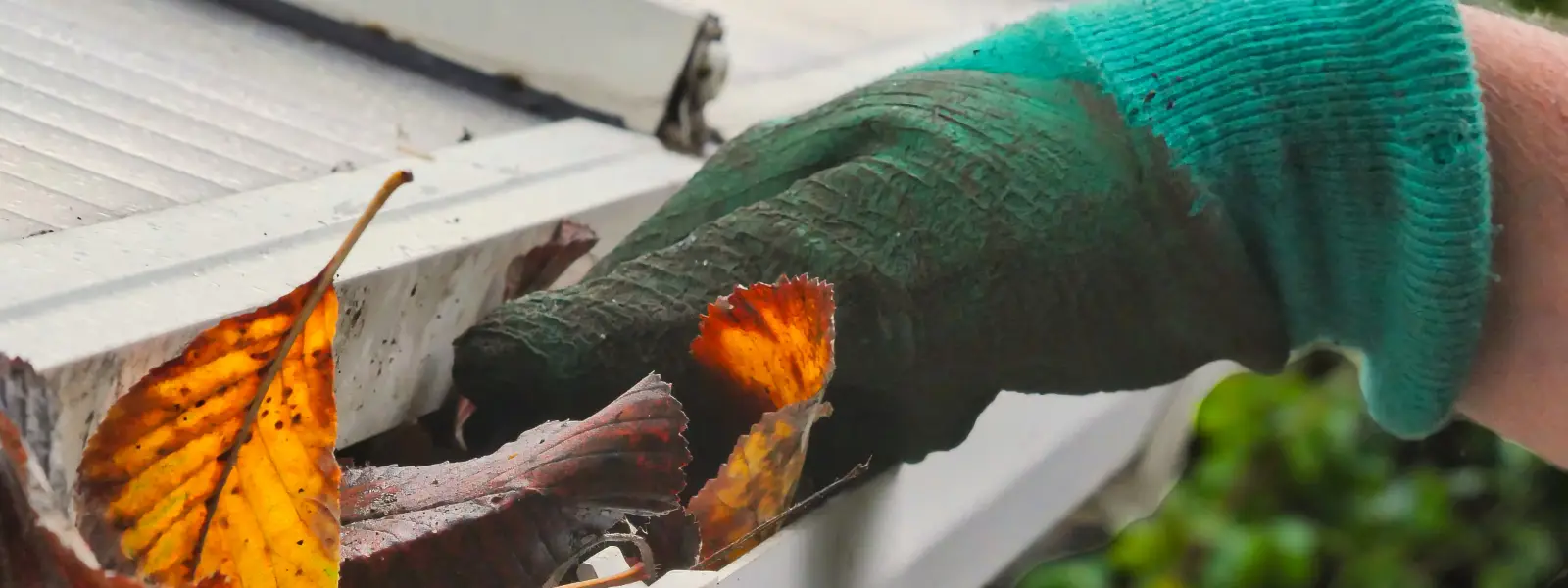
Before the temperature drops, be sure to check your gutters. Clogged gutters can cause ice dams (thick ridges of ice that form at the edge of a roof). When water backs up behind an ice dam, it can seep under shingles and cause leaks.
Seal Cracks and Openings
When walking around your home, check for drafts or visible cracks, and be sure to:
- Apply weather stripping or caulk around windows and doors (alternatives include foam tape, rubber tape, and plastic tape).
- Consider using door sweeps to reduce heat loss.
Step 2: Prepare Home Interior
Once the exterior is secure, it’s time to focus on the inside of your home to ensure it stays safe and functional.
Keep Pipes from Freezing
Here are a few things you can do to help prevent your pipes from freezing:
- Open cabinet doors under sinks to let warm air circulate.
- Use foam insulation or heat tape to protect pipes.
- Let indoor faucets drip overnight.
- Close garage doors (attics, garages, and crawl spaces are most at risk of freezing).
- Know where your main water shut-off valve is (and keep a wrench nearby).
Keep Heat Flowing Safely
Your heating system is your home’s lifeline during a freeze—so make sure it’s ready.
- Set your thermostat to at least 60°F or higher, even when away.
- Avoid turning off heat (frozen pipes will cost more than your heat).
- Use space heaters safely.
- Never use an oven or outdoor grill to heat your home or run a gas generator indoors. These can release dangerous carbon monoxide gas.
Prepare Emergency Supplies
Power outages are likely during winter storms in the South. Prepare an emergency kit with the following items:
- Warm blankets and extra layers of clothing;
- Bottled water (at least one gallon per person, per day);
- Non-perishable or canned foods that don’t require cooking;
- Flashlights and extra batteries; and
- Portable phone chargers or power banks (charge them fully ahead of time).
Stay off Icy Roads Unless Travel is Critical
It’s very important to stay off the roads during major storms. Snow and ice can make roads extremely dangerous. If driving is absolutely necessary, make sure your vehicle is ready.
- Check antifreeze levels, tire pressure, and wiper fluid before temperatures drop.
- Keep an emergency car kit with blankets, jumper cables, and food.
- Save your roadside assistance number in your phone in case of breakdowns or accidents.
Driving in icy and snowy conditions requires proper preparation and extreme caution, so ensure you and your vehicle are ready and able to handle winter weather conditions in the event of an emergency.

The Mercury Marketing Team is made up of professionals in the fields of Content Creation, Public Relations, Social Media and Journalism. The team works together to deliver professionally written and researched content to provide information for consumers.