

If you’re living in a state with hot, humid summers, like Georgia, Florida, or Texas, and the power goes out, it isn’t always just a minor inconvenience. Bright, sunny weather and no storms in the area indicate a rolling blackout. Here’s everything you need to know about rolling blackouts and how you should be preparing for a power outage — even a temporary one — before it happens.
What Is a Rolling Blackout?
A rolling blackout, or load shedding, occurs when a power company intentionally shuts off power to specific areas in order to conserve energy or as a preventative measure to limit the size of an outage. Essentially, it’s intentional and designed to reduce overall demand and stabilize the system. A controlled rolling blackout can last anywhere from 30 minutes to a few hours.
Why Rolling Blackouts Happen in FL, TX, GA, VA, & CA
Summers have gotten hotter, storms more severe, and wildfires are spreading faster. That’s why some of the states most affected by rolling blackouts include coastal communities in Florida, Georgia, and Virginia, larger cities in Texas, and disaster-prone areas in California.
Extreme heat and grid strain
Soaring temperatures mean air conditioners running nonstop. That massive demand can overwhelm power grids, especially during record-breaking heat waves. To mitigate widespread outages as a result of energy spikes, Texas’ Electric Reliability Council of Texas, which manages the state’s electricity resources, issues weather watches as an indicator that residents need to prepare for rolling blackouts.
Severe storms and hurricanes
States like Florida and Virginia regularly deal with hurricanes and strong coastal storms. Even inland states can see severe thunderstorms knock out substations or transmission lines. While those outages aren’t always “rolling,” grid operators can use rolling blackouts if damage limits overall supply.
Wildfire risk and public safety shutoffs
In late 2025, California Public Utilities Commission data found a 145% increase in the number of Californians affected by intentional power shutoffs, or over 594,000 customers. The state’s utility companies will take these proactive measures in the event of a red flag warning or area wildfires.
What to Do After Power Is Restored
When electricity comes back, wait a few minutes before turning all your devices back on or plugging in appliances. Check your food for any spoilage, and reset the clocks and your home security system. If you notice flickering lights or electrical issues, contact your utility provider.
How Insurance Can Help After Extended Power Outages
When a catastrophe, or a prolonged blackout, strikes, be sure to check your homeowners insurance policy. Your standard policy may cover a set amount of spoiled food, damage to your electrical system or electronics as a result of power surges, and even loss of use if your home becomes uninhabitable as a result of a covered event. Keep in mind, however, that coverage varies based on location and policy. Policies in states like California and Texas can differ significantly depending on wildfire or hurricane exposure.
Rolling blackouts are frustrating, but they don’t have to catch you off guard. If you live in a high-heat or storm-prone state, contact Mercury for an insurance quote today.
Power Outage Preparedness: What to Do Before a Rolling Blackout
Everything you do to prepare for a rolling blackout should involve reducing your family’s stress and risk, especially in extreme heat. Here’s how to plan for these events:
Step 1: Create an emergency power outage plan
If you have kids, pets, or elderly individuals in your household, you’ll want to consider the following in your emergency power outage plan:
- Identify the coolest room in your home.
- Decide where you’ll go if temperatures become unsafe (friend’s house, cooling center, hotel).
- Plan for pets as they can overheat quickly.
- Keep your car’s gas tank at least half full in case you need to leave.
Step 2: Build a home emergency supply kit
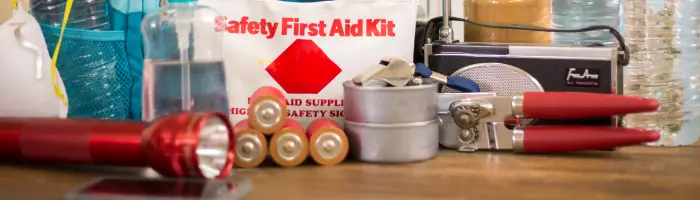
In addition to protecting your home, if you live in a hurricane-prone area of Florida or Georgia, you’re already familiar with prepping your supplies ahead of the season. Here are a few necessities for any emergency preparedness kit:
- Flashlights (not just your phone)
- Extra batteries
- Portable phone chargers/power banks
- Bottled water (1 gallon per person per day)
- Shelf-stable food
- Battery-powered or hand-crank radio
- First-aid kit
- Extra pet food/supplies
Step 3: Prepare backup power options safely
In order to choose the right power source, consider your priorities. Do you need to ensure continuous refrigeration of medications? Do you have a family member who relies on medical devices connected to a power source? The U.S. Consumer Product Safety Commission estimates about 100 deaths per year as a result of carbon monoxide poisoning from a generator. And while generators can be lifesavers, you’ll need to ensure proper usage and maintenance. Here are a few ways to prep for this type of backup power:
- Never run a generator indoors or in a garage.
- Keep it at least 20 feet from doors and windows.
- Use heavy-duty, outdoor-rated extension cords.
Safer but more limited options include solar-powered portable stations.
Step 4: Protect refrigerated food and water
In the event of a rolling blackout, be sure to keep refrigerator and freezer doors closed to reduce spoilage. A full freezer can keep food safe for about 48 hours, depending on how full it is. Check the thermometer on your appliance if needed, and post-blackout, throw out any food that has the potential to spoil.
How to Keep Your Family Safe During Rolling Blackouts
Keep what’s most important to you secure during a rolling blackout by preparing ahead for any situation that may occur.
Step 1: Heat safety tips for warm-weather states
If you’re in places like Texas, Georgia, or Florida during the summer:
- Drink water constantly, not just when you’re thirsty.
- Avoid heavy meals and alcohol.
- Wear lightweight, light-colored clothing.
- Close blinds or curtains during the day to block heat.
- Use battery-powered fans to improve air circulation.
- Call 911 immediately if someone shows signs of heat stroke.
Step 2: Medical and accessibility considerations
If someone in your household relies on oxygen equipment, refrigerated medications like insulin, or powered mobility devices, contact your utility company to ask about medical priority programs. Also identify backup locations — whether a family member’s home, a hospital, or a community shelter — in advance.
Step 3: Communication and emergency contacts
Fully charge devices — phones, laptops, tablets, and portable chargers — before expected peak demand days. Keep a written list of emergency numbers rather than relying on the contacts in your phone. And consider using text messaging instead of calls to conserve your phone’s battery and reduce network strain.

The Mercury Marketing Team is made up of professionals in the fields of Content Creation, Public Relations, Social Media and Journalism. The team works together to deliver professionally written and researched content to provide information for consumers.