
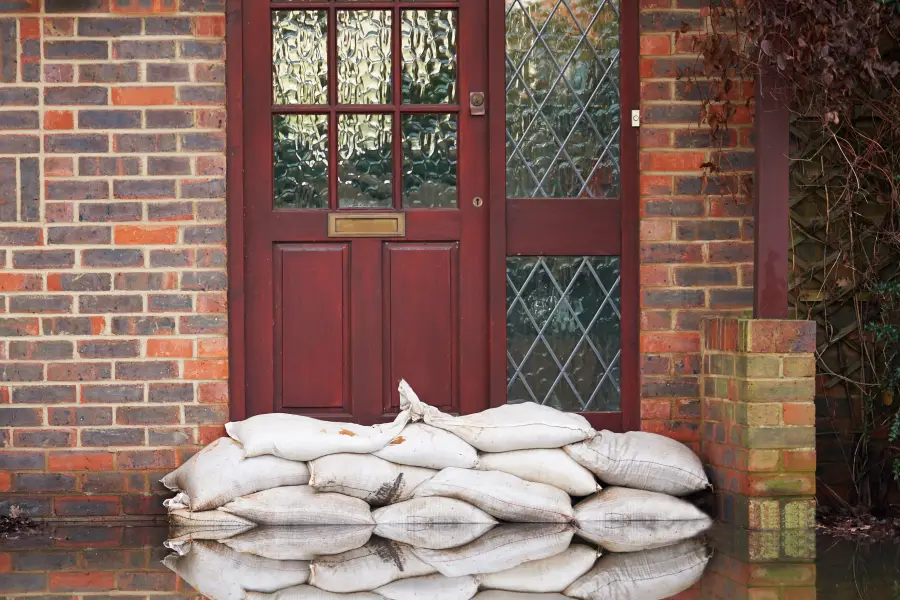

Looking to buy a home or sell your current one? Before you do, you’ll need to know whether that property lies in a FEMA-designated flood zone. Here’s everything you need to know about flood zones as a homeowner, how they affect insurance coverage, and how to protect your property.
What Are Flood Zones?
The Federal Emergency Management Agency maintains FEMA flood maps, which show how likely a geographic location is to experience flooding. Specific zone designations are used to show the different threat levels and risks to property and infrastructure. “Flood zones provide a useful framework for describing relative flood risk,” says Steve Bennett, Head of Climate and Catastrophe Science at Mercury Insurance. “They help homeowners and communities compare relative flood risk, while recognizing that flooding remains possible in every zone.”
How to Find and Read a FEMA Flood Zone Map
Did you know that homes in high-risk areas have a one in four chance of flooding during a 30-year period? The FEMA flood zone map uses shading to show high-, moderate-, and low-risk zones. FEMA works with the local community, including engineers, surveyors, and residents, to collect the data that informs the computer models. To determine your home-specific risk, simply type your address into the Flood Map Service Center portal.
How Do Flood Zones Affect Insurance Requirements?
Standard homeowners insurance policies don’t cover flood damage. If you live in a high-risk zone, like AE or V, and you have a federally backed mortgage, it’s a pretty safe bet that your lender will require you to take out a separate flood zone insurance policy. Coverage in lower-risk zones is usually optional, but often recommended.
How Do Flood Zones Affect Homeowners Insurance Coverage?
If your sewer backs up into your home as a result of a flood, your standard homeowners insurance policy will likely not cover that scenario. Flooding, defined as rising water from external sources like heavy rain, storm surge, or overflowing rivers, is specifically excluded in your homeowners insurance policy, regardless of whether your home is in a high-risk flood zone or not. You can obtain flood insurance through the National Flood Insurance Program or via a private insurer.
How Can Flood Zones Affect Homebuying Decisions?
Whether you live in a flood zone will determine your home's total cost of ownership. For instance, if you buy a house in Zone V, you’ll have to pay for a separate flood insurance policy and meet certain building specifications based on your zone. Plus, the cost can influence your mortgage approval. If you’re planning to sell that home in the future, you’ll want to consider the resale appeal of a property that has a high likelihood of flooding at some point.
How Can Homeowners Prepare for Flood Risk?
Fortunately, even if you live in a high-risk area, there are a few steps you can take to prepare for possible flooding and mitigate damage:
- Know your flood risk, and sign up for local alerts so you have time to act.
- Purchase flood insurance if you don’t already have a policy.
- Take inventory of all the contents of your home that may need replacement after a flood. This will make the claims process much easier.
- Create an evacuation plan for your household and pets, and practice how you would leave quickly.
- Keep important documents, medications, and valuables in a waterproof container, and move them to a higher level.
- Clear gutters and drains, and improve drainage around the home where possible.
- Elevate utilities, appliances, and other vulnerable equipment in flood-prone areas.
- Consider installing protection such as a sump pump with backup power, backflow valves, or flood barriers.
- Have an emergency kit with water, food, flashlights, batteries, chargers, and other essentials in case you need to leave quickly.
It’s also a good idea to review your homeowners insurance policy or add coverage for other perils like wind damage, theft, or vandalism. Get started with a fast, free homeowners quote from Mercury today.
What Do the Main Flood Zone Designations Mean?
FEMA flood zones are usually grouped into three main risk levels: high risk, moderate risk, and low risk/undetermined. Here are some of the more common flood zone designations you’ll come across:
Step 1: Flood Zone X
While a Flood Zone X designation is generally considered a lower-risk area, that doesn’t mean the area is flood-proof. Homeowners in X zones aren’t required to carry flood insurance, but they may do so to mitigate any potential issues.
Step 2: Flood Zone B
You’ll likely come across this zone if you’re reviewing older flood maps. Flood Zone B indicates moderate- to lower-risk flood hazards, and is now usually listed in current maps as Flood Zone X.
Step 3: Flood Zone AE
AE is considered a high-risk flood zone, which means the property sits in a designated Special Flood Hazard Area with a significant chance of flooding. As a result, lenders usually require flood insurance. This area is often called the “100-year flood zone,” but that doesn’t mean flooding happens only once every 100 years. It means there’s a 1% chance in any given year. Since they’re so high risk, AE zones usually have mapped base flood elevations, which show how high floodwaters are expected to rise in the event of a flood.
Step 4: Flood Zone V
FEMA’s Zone V is the highest-risk coastal zone. The risk stems from storm-surge flooding and from storm-driven waves that may also cause erosion and waterborne debris. If you own a home in a V zone, you should treat this as a serious flood and storm-surge exposure area, with insurance, building standards, and evacuation planning all playing critically important roles.
Frequently Asked Questions
Can a property’s flood zone change over time?
Yes, a property’s designation can change over time because FEMA and local agencies update flood maps as land use, drainage, levees, development, and weather patterns change.
What should you do if you think a flood zone is incorrect?
Start by reviewing the official FEMA flood map for the address and comparing it with a current elevation survey or flood determination from a qualified professional. If the designation still looks incorrect, you can file a FEMA Letter of Map Change request to challenge or correct your flood zone classification.
Can a home flood outside a high-risk flood zone?
Yes, a home can absolutely flood outside a high-risk flood zone. FEMA flood zone labels just indicate relative risk. The National Flood Insurance Program reports that one-third of its claims in the period from 2014 to 2024 came from outside high-risk areas.

Stephen Bennett is Senior Director of Mercury Insurance’s Climate and Catastrophe Science Division, where he leads the company’s strategy on climate risk and catastrophe modeling. With experience advising companies like Apple and Unilever, supporting weather-informed investment at Citadel, and quantifying storm risk at Demex, Bennett brings a deep background in climate science. He serves as a councilor of the American Meteorological Society, chairs its Forum on Climate Linked Economics, and teaches risk management at UNC Chapel Hill. He holds a BS in Meteorology from the University of South Alabama and a JD from the University of Illinois Chicago School of Law.
The Mercury Marketing Team is made up of professionals in the fields of Content Creation, Public Relations, Social Media and Journalism. The team works together to deliver professionally written and researched content to provide information for consumers.