

Carbon monoxide is one of those silent dangers you may not even think about because you can’t see, smell, or taste it — and that’s exactly what makes it so dangerous. Often called the “silent killer,” carbon monoxide can build up in your home without warning, turning into a life-threatening situation in minutes.
Fortunately, with a few smart habits and the right setup at home, you can dramatically reduce your risk and keep your family safe. Here’s what you need to know about the signs of carbon monoxide and how to prevent carbon monoxide poisoning in your home.
What is Carbon Monoxide, and Why Is It Dangerous?
According to the Centers for Disease Control (CDC), carbon monoxide, or CO, is a colorless, odorless gas produced when fuels like gas, wood, charcoal, or oil don’t burn completely. When inhaled, it interferes with your blood’s ability to carry oxygen, which can quickly lead to illness — or worse.
What makes CO especially dangerous is how quietly it works. Early signs of carbon monoxide poisoning — like headaches, dizziness, or nausea — can feel like the flu, making it easy to miss until levels become life-threatening.
Where Does Carbon Monoxide Come From in Your Home?
Carbon monoxide can come from several sources inside your home that you may not even be aware of.
Common household sources
Any device that burns fuel has the potential to produce CO if it’s not functioning properly or vented correctly. This includes:
- Gas stoves, ovens, and fridges
- Furnaces and water heaters
- Fireplaces and chimneys, both wood-burning or gas
- Clothes dryers
- Attached garages (both open and closed) with a running vehicle inside, even briefly
- Portable generators or grills used indoors or too close to the house
Seasonal and weather-related risks
Cold weather and inclement conditions, particularly with power outages, can make you more susceptible to the risks of CO poisoning. Weather-related and seasonal conditions include:
- Winter heating: Increased use of furnaces, fireplaces, and space heaters raises risk.
- Power outages: Improper generator use becomes more common.
- Storms and debris: Blocked vents or chimneys can trap gases inside.
- Cold snaps: People may bring outdoor heating devices inside, which is extremely dangerous.
How to Test and Maintain Carbon Monoxide Detectors
Maintaining your carbon monoxide detectors is just as important when it comes to keeping you and your family safe. Follow the same guidelines as you would for your smoke detectors:
- Test detectors once a month using the test button.
- Replace batteries at least once a year, or as recommended.
- Clean units regularly to prevent dust buildup.
- Pay attention to chirping sounds that indicate low battery or end-of-life.
- Replace the entire unit every five to seven years, depending on the model.
Conclusion: Simple Steps for a Safer Home
While the thought of carbon monoxide poisoning is scary, prevention is simple and effective. By maintaining your appliances, practicing safe habits around anything gas- or fire-related, and installing CO detectors, you can enjoy a safe, worry-free home and protect those you love most. Mercury can help protect your home and those you love most. Reach out for a fast, free homeowners insurance quote.
How to Prevent Carbon Monoxide Poisoning at Home
There are easy, effective ways to mitigate your risk and prevent carbon monoxide poisoning. One of the best places to start is by assessing the risk inside your home. Here are a few checklists to get you started:
Step 1: Appliance Maintenance and Ventilation
- Have heating systems, water heaters, and gas appliances inspected annually.
- Keep vents, chimneys, and flues clear of debris.
- Never block ventilation openings in your home.
- Install appliances according to manufacturer guidelines.
Step 2: Safe Generator and Heating Practices
- Never run a generator inside your home, garage, or near windows and doors.
- Keep generators at least 20 feet away from your house.
- Never use ovens or grills to heat your home.
- Only use space heaters approved for indoor use.
Step 3: Everyday Safety Habits
- Never leave a car running in an attached garage, even with the door open.
- Avoid using charcoal grills indoors or in enclosed spaces.
- Don’t ignore unusual appliance smells or soot buildup.
- Know the symptoms of carbon monoxide poisoning and act quickly if they appear.
Carbon Monoxide Detector Placement: Where to Install Them
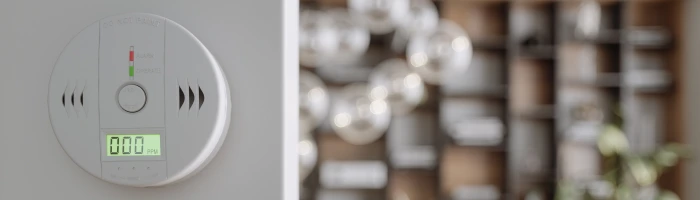
Carbon monoxide detectors are affordable, and they’re your best line of defense if CO does enter your home. Similar to smoke detector installation, install carbon monoxide detectors in strategic areas near potential problem spots.
Step 1: Key Locations in Your Home
- Outside each sleeping area
- On every level of your home, including the basement
- Near (but not directly next to) fuel-burning appliances
- Inside bedrooms, especially if you use space heaters or have a fireplace
Step 2: Where Not to Install Detectors
- Right next to appliances, since that can cause false alarms
- In bathrooms or humid areas
- Near windows, doors, or vents where airflow could affect readings
- In direct sunlight or extreme temperatures
Step 3: How Many Detectors You Need
At a minimum, install one detector on each level and near every sleeping area. Larger homes or multistory layouts may require additional units to ensure full coverage.
FAQs
How often should carbon monoxide detectors be replaced?
Most detectors should be replaced every five to seven years. Check the manufacturer’s label on your unit for the exact timeline.
Can carbon monoxide leak from newer appliances?
Yes. New doesn’t mean risk-free. Even new appliances can produce carbon monoxide if they’re improperly installed, poorly maintained, or malfunctioning.
Is carbon monoxide heavier or lighter than air?
Carbon monoxide is slightly lighter than air, but it mixes evenly throughout a space. That’s why detectors should be installed at recommended heights and specific locations, not just near the ceiling or the floor.

The Mercury Marketing Team is made up of professionals in the fields of Content Creation, Public Relations, Social Media and Journalism. The team works together to deliver professionally written and researched content to provide information for consumers.