


Whether you bumped another car at a light or someone backed into your vehicle in a parking lot, there are a few steps you should take immediately after a minor car accident. “Even in a minor collision, the actions you take in the first few minutes matter,” says Michael Curcio, VP, Claims. “Prioritize safety by moving to a secure location, if possible, and checking on everyone involved. Then document the scene, exchange information, consider notifying the police, and report the loss promptly to help protect your interests and support a smooth claims experience.”
What Is Considered a Fender Bender?
A fender bender is a low-speed collision that may result in relatively minor damage, such as a dented panel, scratched fender, or damaged bumper. Although these accidents are typically less severe than higher-speed collisions, they can still cause injuries and vehicle damage.
What to Expect After Filing a Fender Bender Claim
After you file a fender bender insurance claim, your insurance company will review the details of the accident, determine fault, and assess the damage. This process may involve an adjuster inspecting your vehicle, reviewing photos, and contacting other parties. Once approved, repairs can begin based on your policy coverage.
Having the right auto insurance policy in place can help protect you financially and give you peace of mind after a fender bender or any type of accident. Review your coverage regularly to ensure it aligns with your needs, budget, and level of risk on the road.
If you’re a Mercury customer and you’ve been involved in a fender bender, call (800) 503-3724 to file a claim. Mercury’s claims team will guide you through the process and help you understand what happens next.
Contact Mercury today for a fast, free quote!

Steps to Take Immediately After a Fender Bender
It’s always jarring to be involved in any car accident, even a minor one. Here’s a step-by-step checklist of what to do after a fender bender occurs:
Step 1: Check for Injuries
Your first step should always be to make sure everyone is OK. Assess yourself and your passengers for signs of injury. If anyone is injured or you’re unsure, call 911. Some symptoms may not be immediately apparent, so consider seeking medical attention if you experience pain or discomfort after the accident.
Step 2: Move to a Safe Location
If your vehicle is drivable and you can safely do so, move it out of traffic to prevent another accident. Pull over, switch on your hazard lights, and remain at the scene.
Step 3: Call the Police When Necessary
Contact law enforcement if there are injuries, significant damage, or disputes about what happened. Having an accident report on hand can also streamline any claims processes you may file.
Step 4: Exchange Driver and Insurance Information
Regardless of perceived fault, exchange the following information when it’s safe to do so:
- Names and contact information
- Driver’s license numbers
- License plate numbers
- Insurance company and policy numbers
If the other driver appears combative or aggressive, or if you feel unsafe for any reason, avoid escalating the situation. Move to a secure location if possible and contact law enforcement.
Step 5: Take Photos and Document the Scene
Capture the damage to both vehicles from several angles, along with the other car’s license plate and the surrounding area. Document any details that may help explain what happened, such as parking lot signs, painted arrows, road conditions, or weather.
Step 6: Collect Witness and Police Information
If anyone witnessed the accident, ask for their name and contact information. If law enforcement responds, request the police report number and note the names and badge numbers of the responding officers. You may also want to ask how and when you can obtain a copy of the report.
Step 7: Avoid Speculating About Fault
It may not always be clear who or what caused an accident. When speaking with the other driver, witnesses, law enforcement, or your insurer, focus on the facts and avoid arguing, admitting fault, or speculating about responsibility.
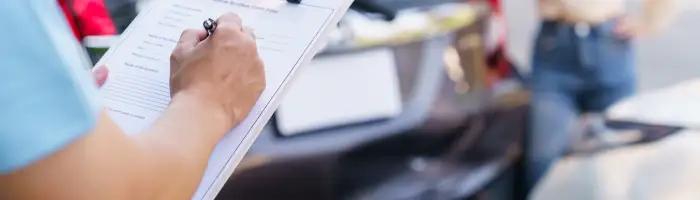
How to Report a Fender Bender and File an Insurance Claim
Step 1: Notify Your Insurance Company
Report the accident to your insurer as soon as possible. Be prepared to share details such as the time, location, parties involved, police report, and the photos and documentation you collected.
Step 2: Arrange a Vehicle Inspection and Repairs
Once you file a claim, a Mercury claims professional can review the accident, explain your coverage and next steps, and help begin the repair process. You can select the repair shop of your choice. If you’d like assistance, your claims representative can help you locate a nearby participating Mercury repair shop, which may offer benefits such as streamlined claims handling and insurer-backed repair warranties.
Frequently Asked Questions
What if there is no visible damage after a fender bender?
It can be tempting to skip exchanging information if neither vehicle appears damaged. However, some damage or injuries may not be immediately apparent. Document the scene, exchange information, and notify your insurer so you have a record of the accident.
Should you settle a fender bender without insurance?
Settling privately after a fender bender can be risky, especially if damage or injuries appear later. Without proper documentation or insurance involvement, you could end up paying more out of pocket than you bargained for.
Can a fender bender raise your insurance rate?
A rate increase is possible but not automatic. The outcome can depend on factors such as fault, your claims history, your policy, and applicable state regulations. Contact your insurance agent to better understand how these factors may apply to your specific situation.

The Mercury Marketing Team is made up of professionals in the fields of Content Creation, Public Relations, Social Media and Journalism. The team works together to deliver professionally written and researched content to provide information for consumers.